When the promised future falls apart how do we stay grounded in such an abandoned world?
当承诺的未来宣告破产 我们如何在烂尾的世界 活出底气?
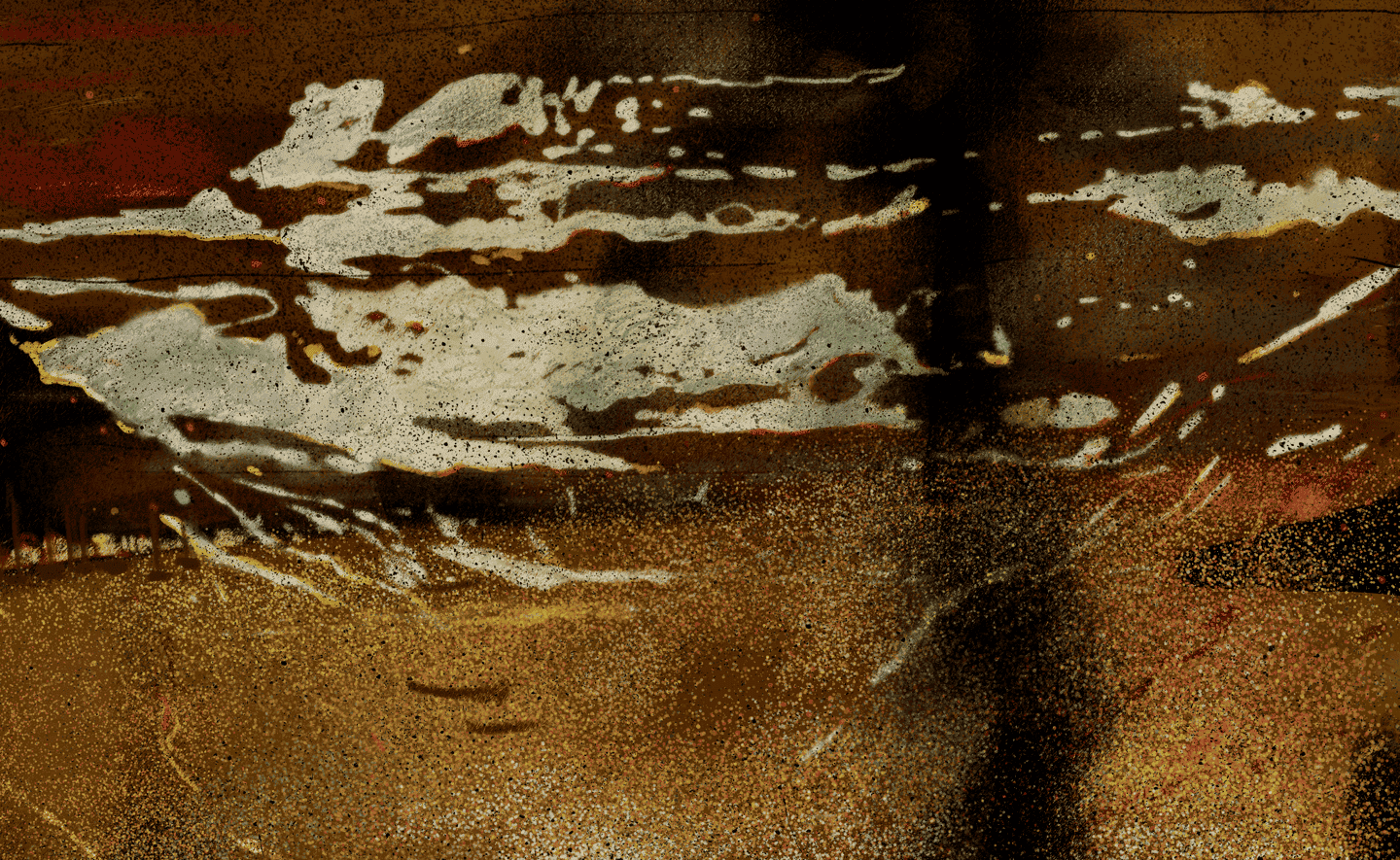
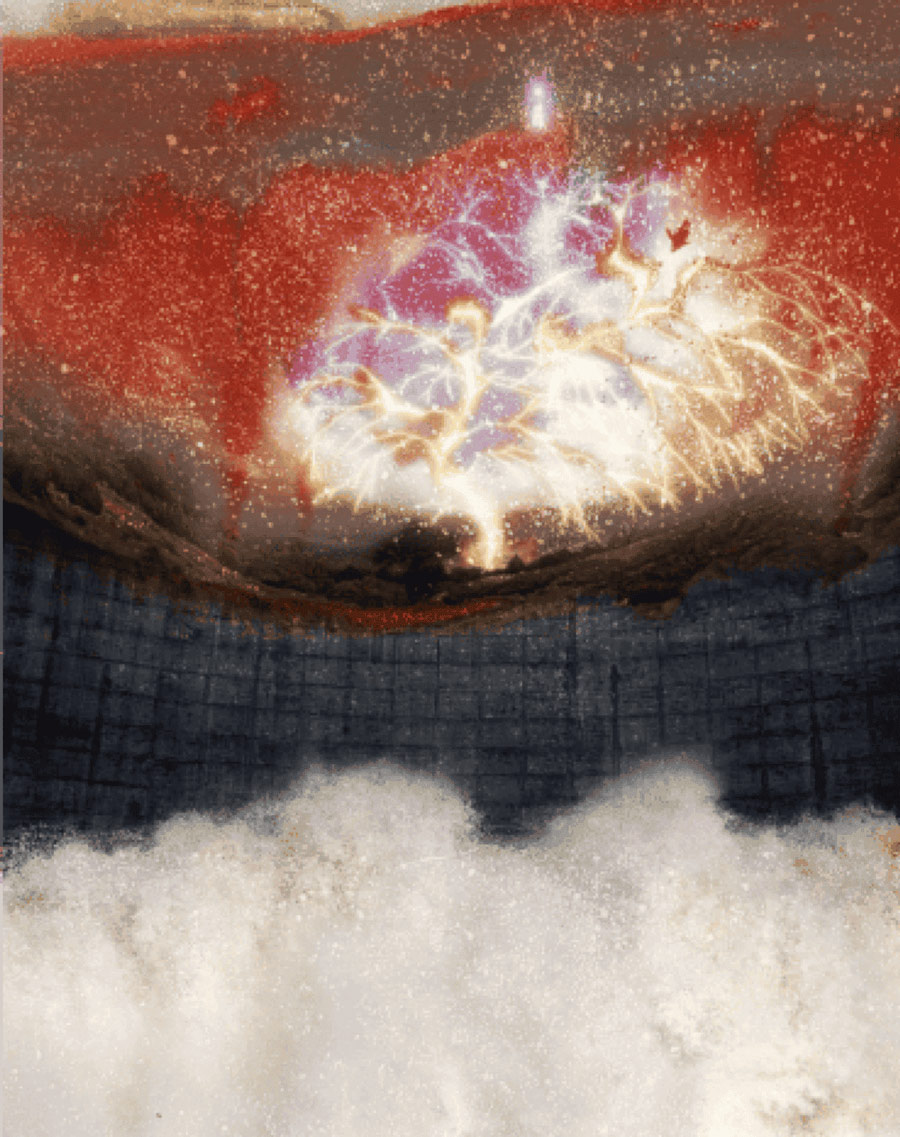
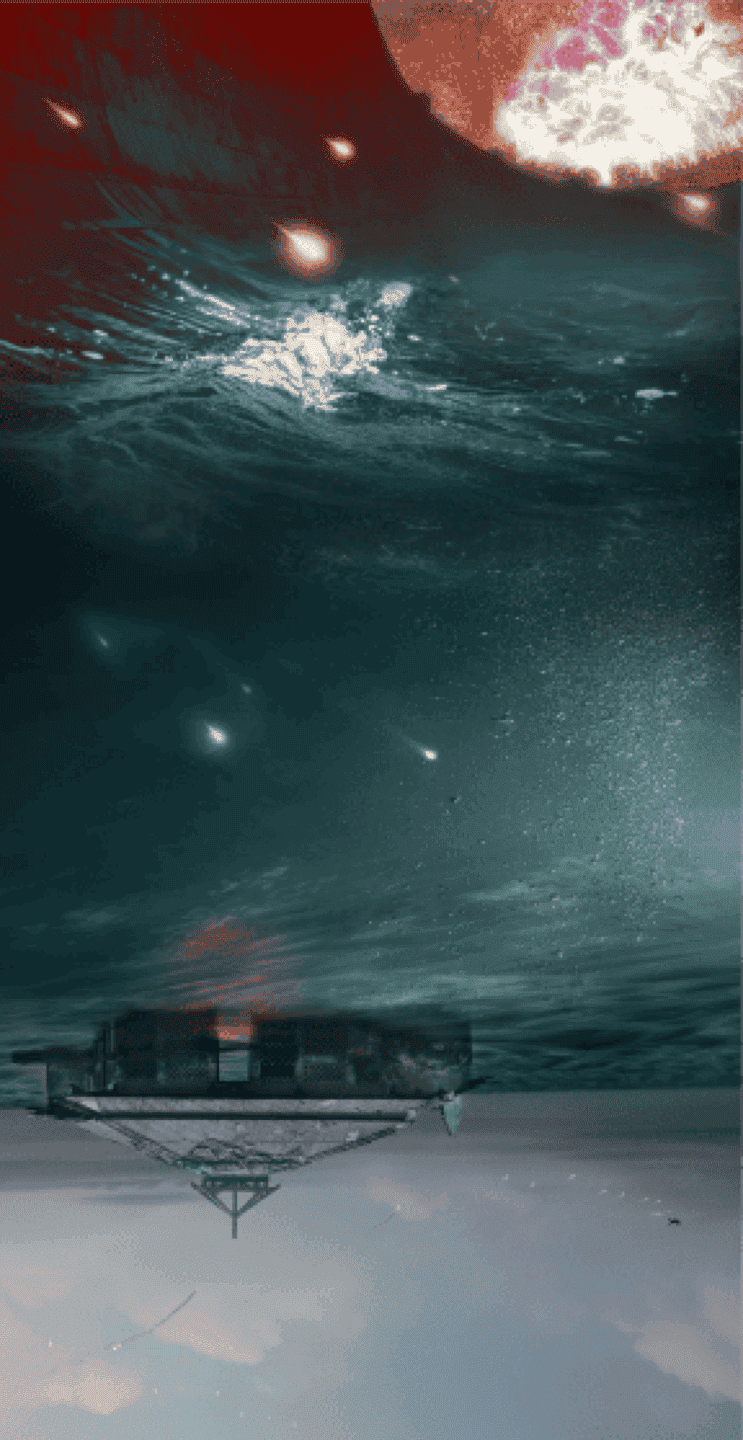
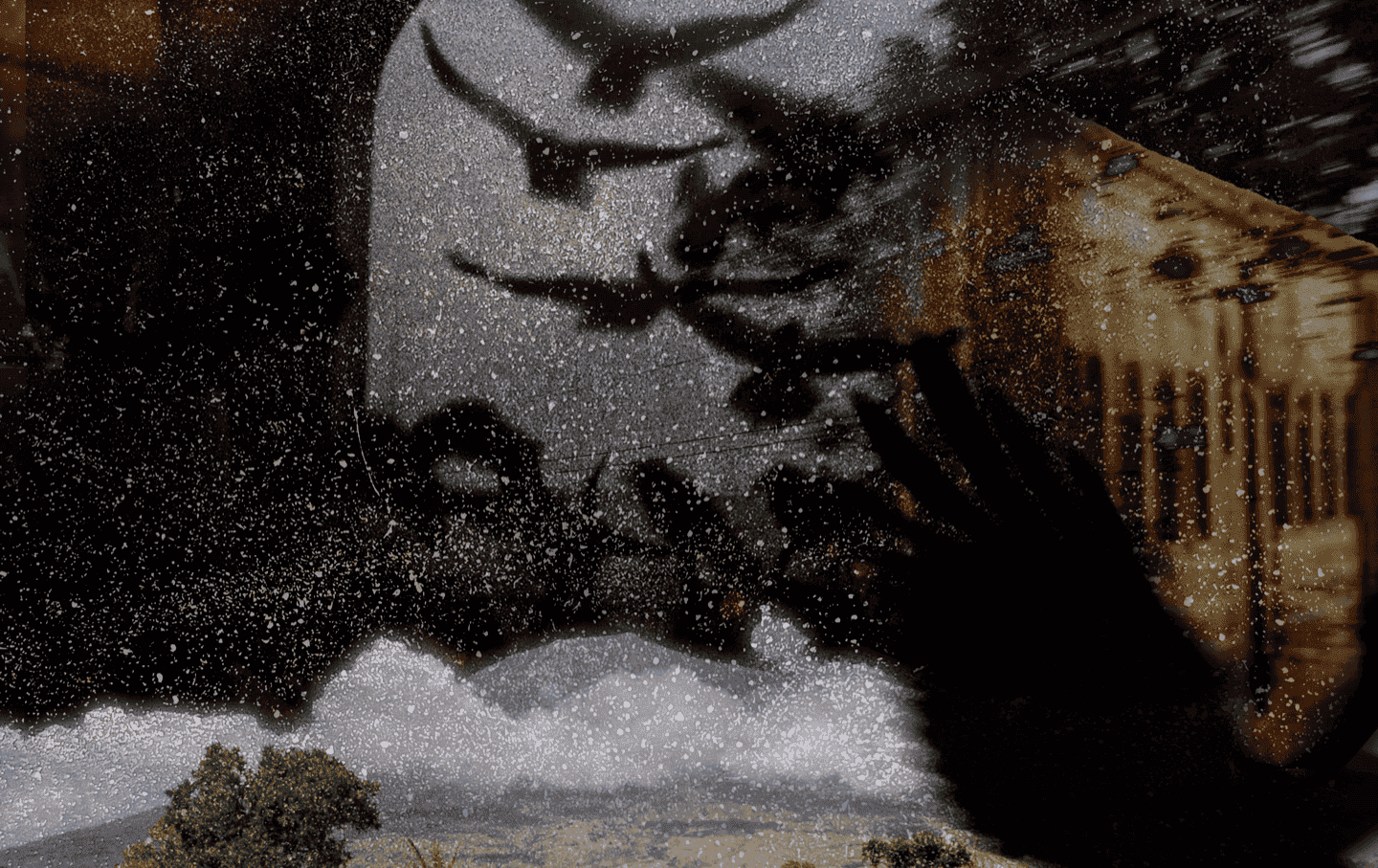
Jakarta has a way of pulling you under, and sometimes, skyward. Set in the sinking Jakarta, the story follows the spread of a ghost disease known as "Seed Syndrome": people lose their gravity, levitate, and wither into seeds. After discovering the cause of the disease, two young sufferers, Susu and Phaon Neonardi attempt to take root while suspended in the air, only to fall back to the ground. The question underneath: When the promised future falls apart, how do we stay grounded in such an abandoned world? Built around this question, a Chinese animation director, an international journalist of Indonesian-Chinese descent, and an Indonesian band are collectively shaping an answer: through animation, cross-cultural writing and music that moves across discourses of gravity, suspension, and fluidity, towards an uncertain future. Seeds on the Seawall embraces ngulik and ngakalin, tinkering and figuring out, as the spirit of an ever-evolving art project. Genre: Animated Music Video, Music, Cultural Research Duration: 3-4min Technique: 2D & 3D Computer, Rotoscope
For a long time, I believed mobility was a good thing as I’ve benefited from globalization. However, in recent years, the logic “the harder you work, the luckier you get” has started to break down. I thought the path lay beneath my feet, but with each step I took, it veered away. I’m not alone in this; many people I know feel the same, though few can quite put it into words. Then I learned that Jakarta is sinking, and the plan to relocate the capital has been shelved. My first reaction wasn’t pity, but concern for how people there were managing to get by, because I’m going through the familiar uncertainty myself: we once hoped for a Noah’s Ark to carry us to a new world, but now we’re told the ark is canceled, forcing us to continue living aboard this leaky old vessel.
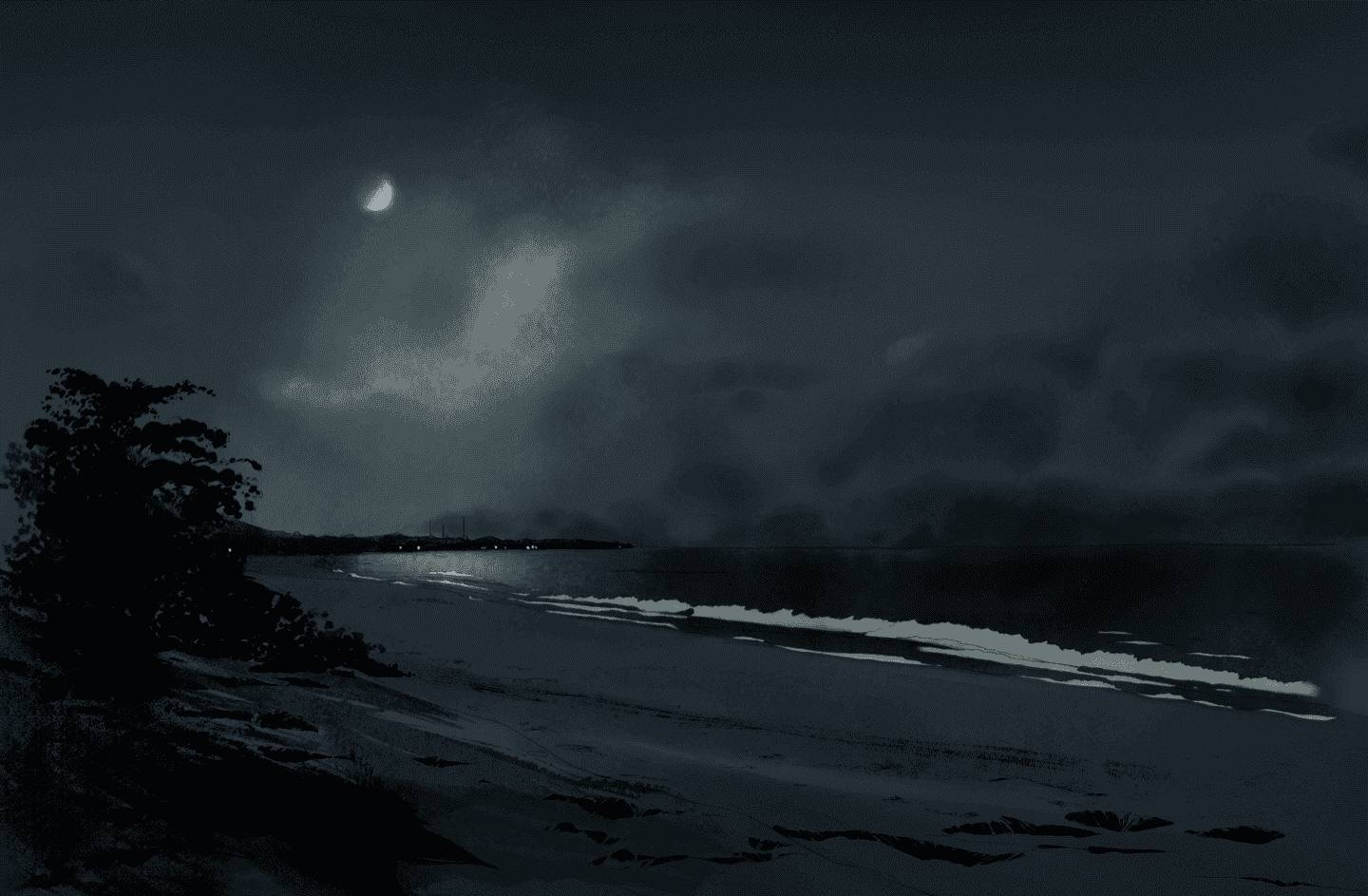
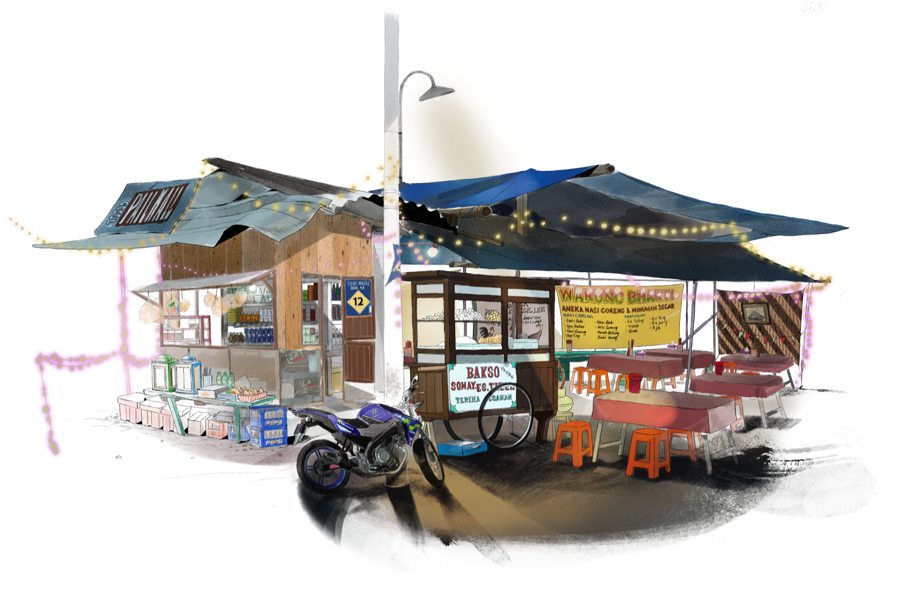
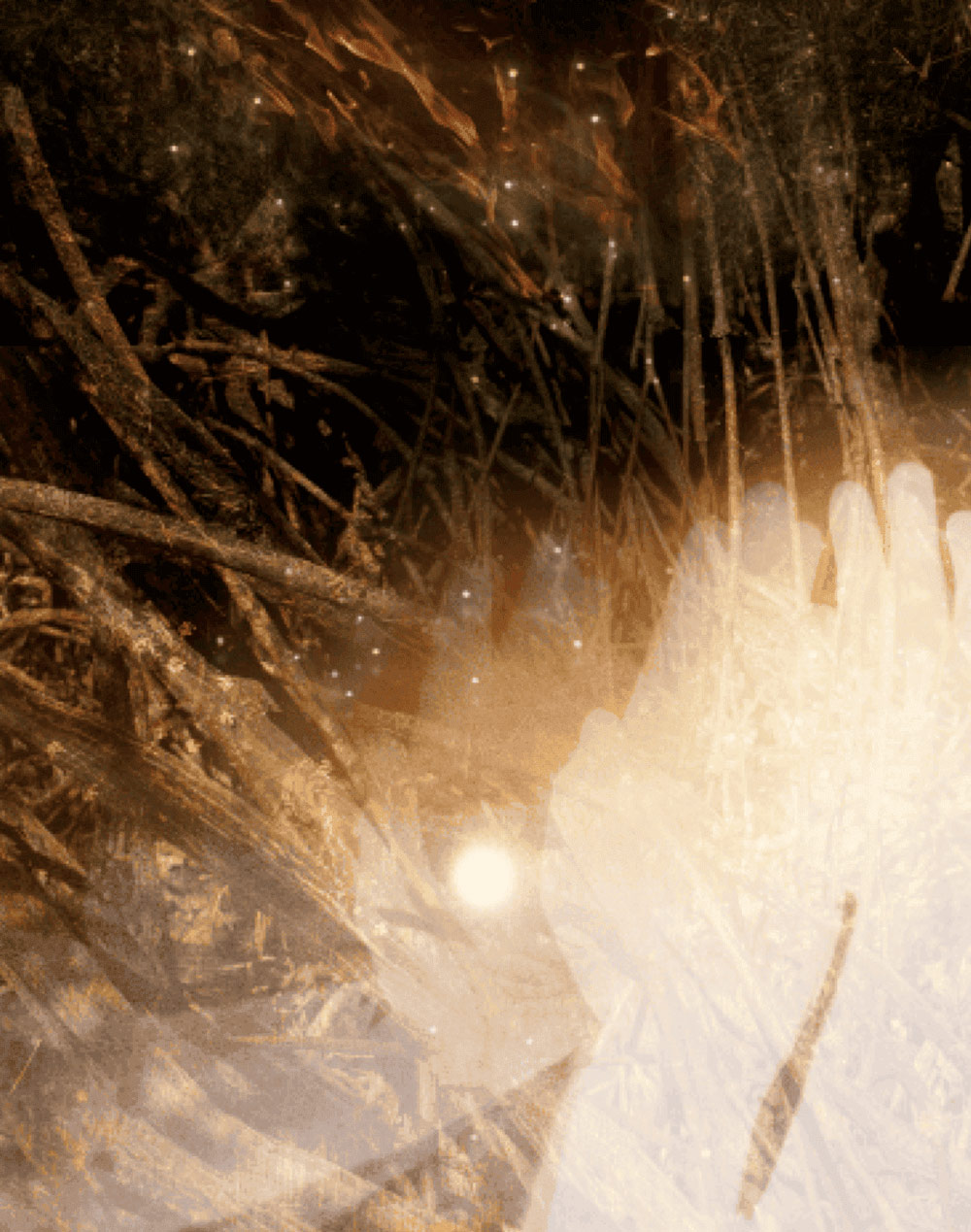
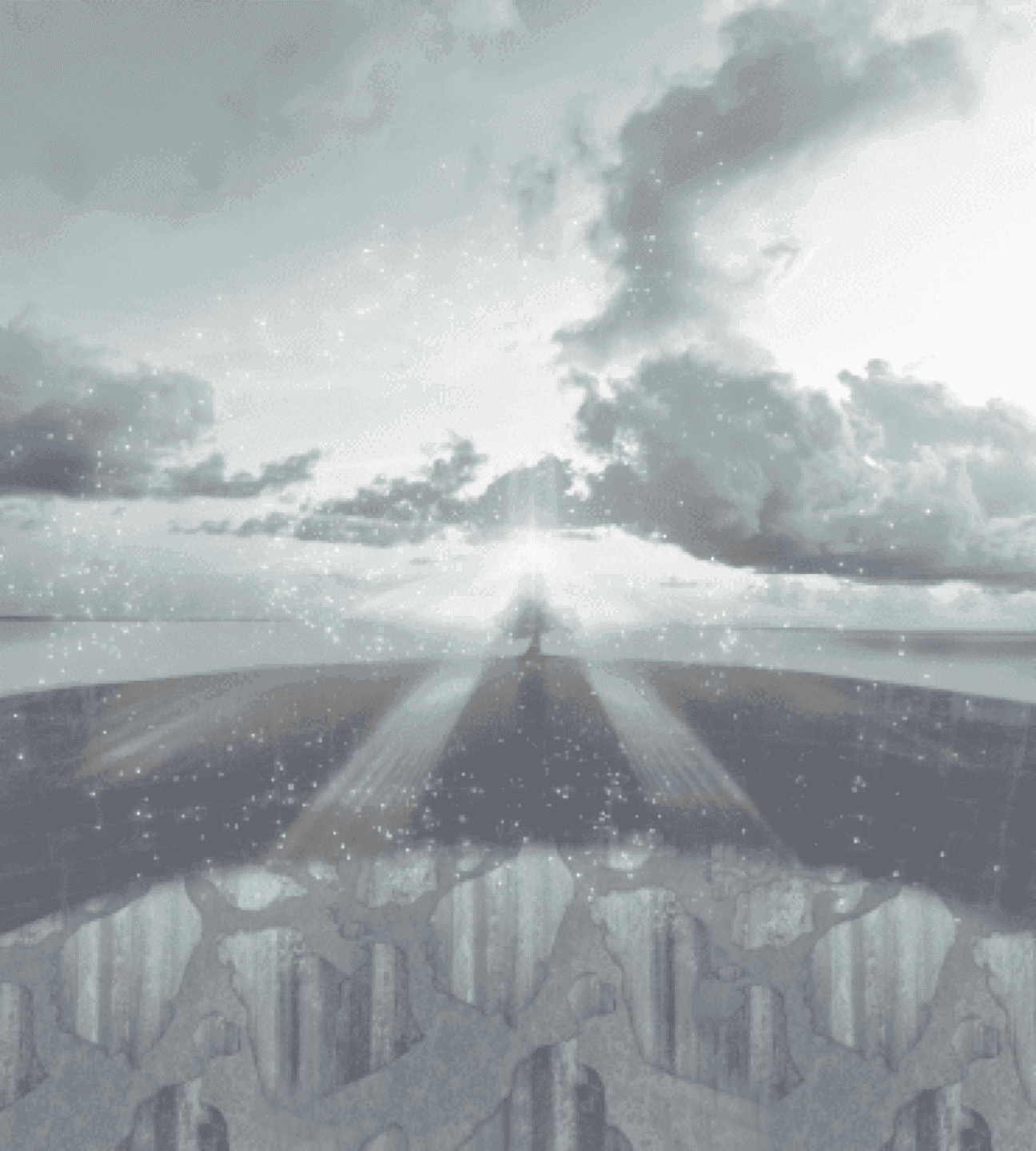
Gradually, Jakarta and I formed a strange mirror across time and space — foreign enough to me, yet at a stage of economic and social development that felt strangely familiar; issues that are difficult to untangle in familiar surroundings, took clear shape there. From the 1990s through the early 2000s, Jakarta went through rapid urbanization, and the young people there hold onto a way of living I admire — ngulik and ngakalin, and once believed, as I did, that urbanization and globalization would bring a better future. Now, that promise is beginning to feel like it’s fading into thin air.
In this context, “Seed Syndrome” is my pathological diagnosis of the contemporary urban adults mental state. Our generation suffers from collective weightlessness: trapped between the collapse of the old order and the unfinished new world, we crave suspension, yearning to escape our heavy body through digital, hallucinatory means. “Seeds on the Seawall” attempts to portray a courage of stay grounded. Just as Sisyphus found meaning in pushing his boulder, my characters ultimately fall back to earth and reclaim their physical existence. This is the politics of “Being Here”: in a world where escape is no longer an option, feeling pain and standing with feet in the mud may be the only way we preserve our dignity.